Since 1997 | Your Pittsburgh Law Firm
Your Pittsburgh Law Firm
March 4, 2012

Attorney Fardo to Speak at Seminar on Tax Exemptions

📚 Historical article. This post reflects the law and County procedures when it was written. Deadlines, the Common Level Ratio and hearing rules have changed, and a new countywide reassessment has been ordered.

Read the current 2027 Tax Appeal Guide →Reassessment Guide →

Originally published March 4, 2012. Updated October 2026.

On Tuesday, March 6, 2012, attorney Noah Fardo was a guest lecturer at a Continuing Legal Education seminar on the Allegheny County reassessment. The seminar was held for lawyers and real estate professionals in the Gold Room on the 9th floor of the City-County Building. Noah spoke about tax exemptions and abatements.

Below is a summary of his notes. These describe the programs as they stood in 2012. Deadlines, dollar amounts and eligibility rules have changed since then, so check current rules before relying on any of this.

Tax Exemptions in 2012

Allegheny County offered property tax exemptions for nonprofit organizations and government agencies. Exemptions are authorized by Article VIII, Section 2(a) of the Pennsylvania Constitution. The categories Noah covered included:

  • Churches and places of regularly stated religious worship
  • Burial grounds not held for profit
  • Hospitals and institutions of charity
  • Educational institutions
  • Fire and rescue stations
  • Courthouses and jails
  • Certain disabled veterans’ primary residences
  • Public parks and other public property used for public purposes
  • Real estate owned and used by institutions of purely public charity

What Is a “Purely Public Charity”?

The Pennsylvania Supreme Court set out a test in Hospital Utilization Project v. Commonwealth, 507 Pa. 1, 487 A.2d 1306 (1985). Under that test, the organization must advance a charitable purpose, donate or render gratuitously a substantial portion of its services, benefit a substantial and indefinite class of persons who are legitimate subjects of charity, relieve the government of some of its burden, and operate entirely free from private profit motive.

Noah noted that later decisions, including City of Washington v. Washington County Board of Assessment Appeals (1997) and Unionville-Chadds Ford School District v. Chester County Board of Assessment Appeals (1998), left room for courts to read the definition more broadly.

Abatement and Relief Programs in 2012

  • Act 50 Homestead/Farmstead Exclusion. For county taxes. In 2012 it reduced a homestead assessment by $15,000, and the filing deadline was March 1, 2012. Filing also enrolled the owner in Act 1.
  • Act 1 Property Tax Relief. The Taxpayer Relief Act of 2006, for school taxes only.
  • City of Pittsburgh Act 42. Abatement for new homes and home improvements in the City, with an application due within 180 days of the building permit. That version of the program was set to expire at the end of 2013.
  • Senior Citizen Property Tax Relief. In 2012, a discount on county real estate tax for qualifying older, widowed or disabled owners who met residency and income limits.
  • Act 202. A countywide abatement for the improved value of new construction, applied for when the building permit issued.
  • Catastrophic loss. Owners whose property lost 50% or more of its value could seek a reduction.
  • LERTA (Act 76). Local programs to encourage commercial and industrial development, which varied by municipality.
  • Clean & Green (Act 319). Preferential assessment for farm and forest land. See our Clean & Green guide.

Two Notes From 2012

  • Applying for any program allowed an assessor to visit and inspect the property.
  • In 2012, taxing bodies could challenge a property’s exemption by filing a challenge by March 31 of the tax year.

What This Means for You Today

  • Exemptions and abatements can save real money, but programs, amounts and deadlines change. Confirm current rules with the County or your municipality.
  • If a taxing body challenges your exemption or your assessment, get advice early.
  • See our property tax appeals guide and tax appeals FAQ.

Talk to Us

Questions about an exemption, abatement or assessment? Call Noah Fardo or Nicole Hauptman Amick at 412-802-6666, text 412-855-5511, email info@pghfirm.com, or send us a message.
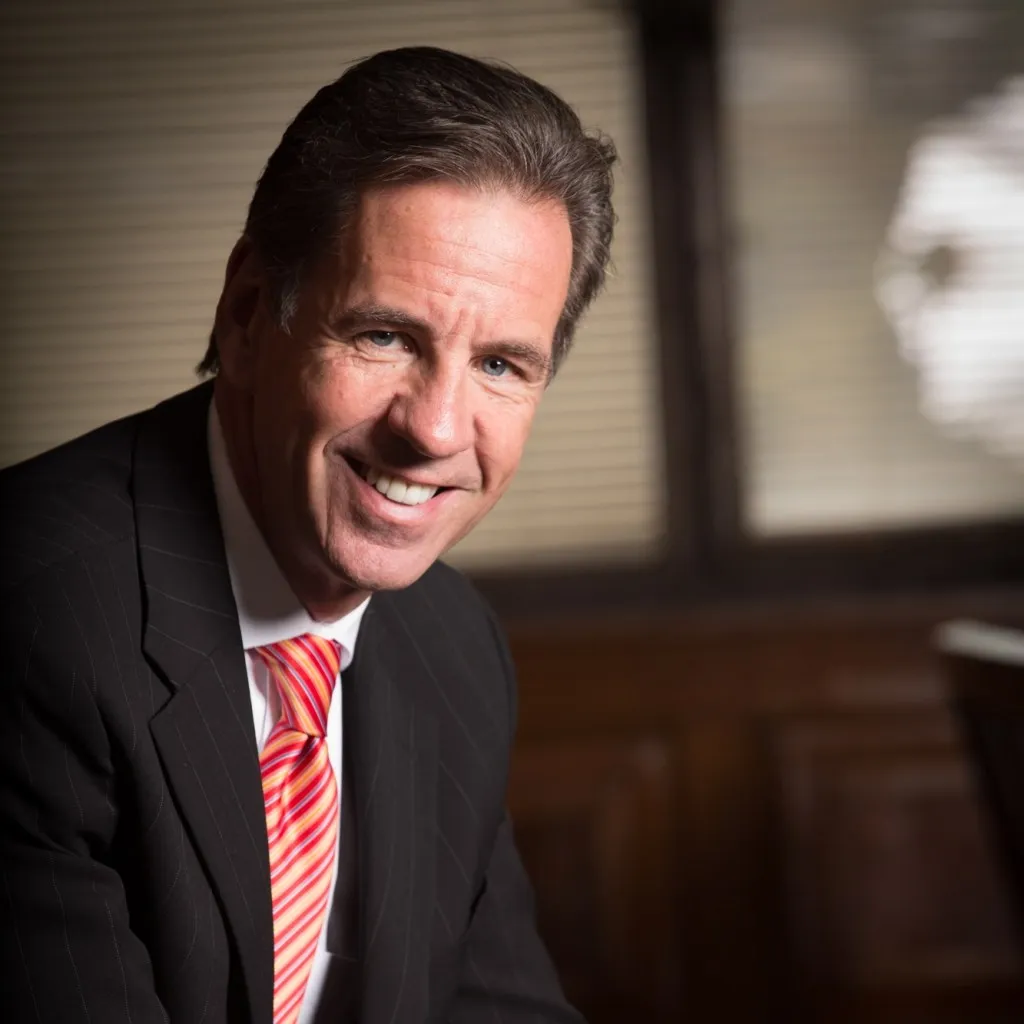
Nicole Hauptman Amick, Esq.

Nicole@pghfirm.com

Attorney Nicole Hauptman Amick is a partner whose practice focuses on Allegheny County property tax assessment appeals and real estate litigation. She has represented thousands of residential and commercial property owners.

Tags

No items found.

Related Practice Area

Related Services

No items found.

Request a Free Consultation

Shawn T. Flaherty, Esq., founding partner, Flaherty Fardo Rogel & Amick
Shawn T. Flaherty, Esq.
Founding Partner | Personal Injury & Truck Accident Attorney
Thank you for your submission. We try to respond promptly, often within hours. If you need immediate assistance, you can try texting 412.855.5511. Be in touch shortly.

Thank you,
‍Noah Paul Fardo
Managing Partner
Oops! Something went wrong while submitting the form.